Soot Damage Cleanup in Phoenix, AZ
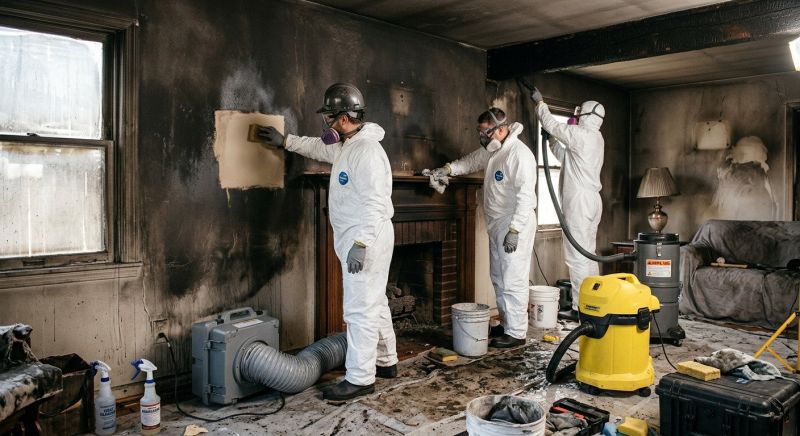
Soot damage cleanup services address the removal of soot residue and stains caused by fires, smoke, or other combustion-related incidents. These services typically cover residential properties affected by household fires, chimney or stove smoke, or accidental soot deposits on walls, ceilings, and other surfaces. Property owners often want to understand the scope of cleaning involved, including whether surfaces will be restored or replaced, and the importance of thorough soot removal to prevent lingering odors, discoloration, or potential health concerns.
Before requesting soot damage cleanup, homeowners should consider the extent of the damage, the types of surfaces affected, and any specific concerns about odors or residue. It is also helpful to understand if the cleaning process includes both surface cleaning and odor mitigation, as well as the potential need for repainting or refinishing certain areas. Clear communication about the project’s scope can ensure proper assessment and effective restoration of the property.
Many property owners in Phoenix, AZ look into Soot Damage Cleanup for repairs, replacements, upgrades, and appearance-related improvements.
Understanding Soot Damage
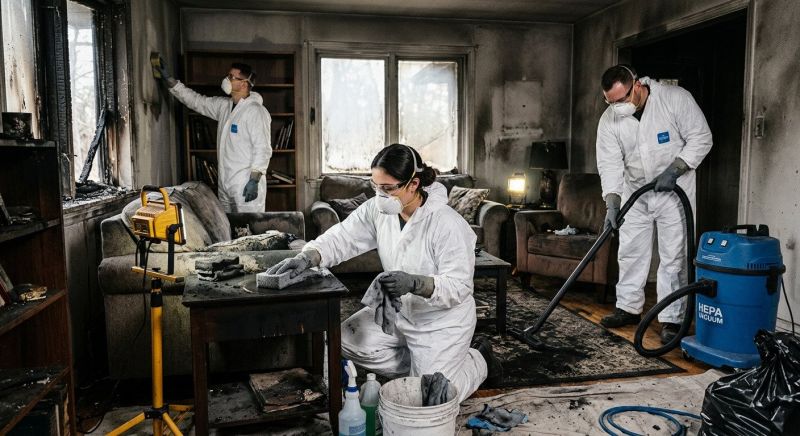
Soot can penetrate walls, ceilings, and ventilation systems, causing persistent stains and odors.
Common Causes Of Soot Damage
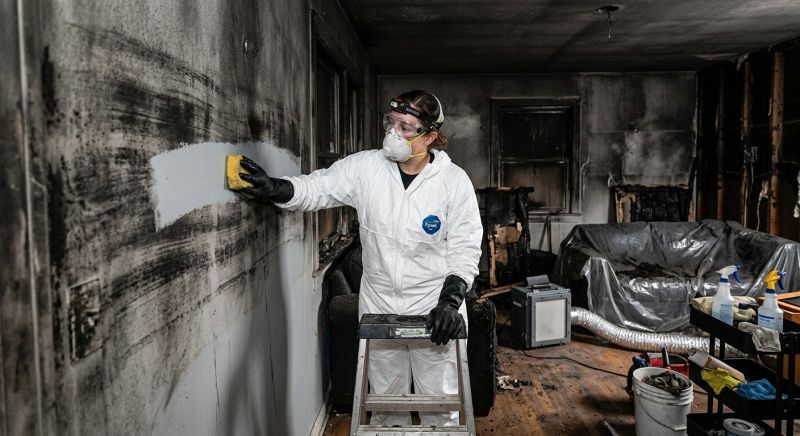
Soot often results from kitchen fires, electrical malfunctions, or fireplace smoke in phoenix homes.
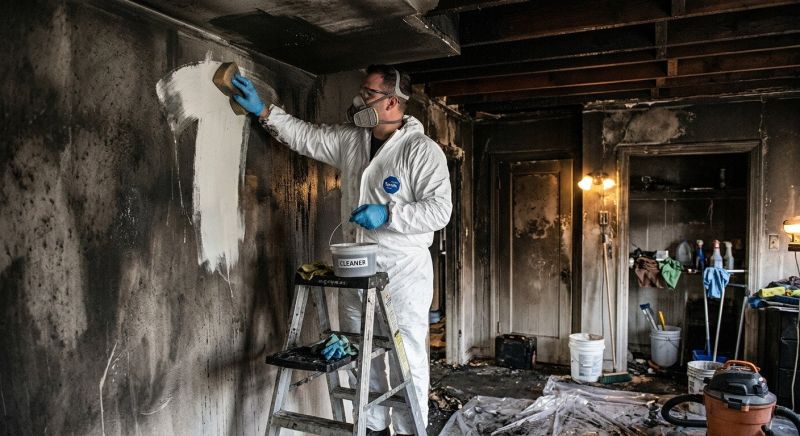
Restoration And Cleanup Process
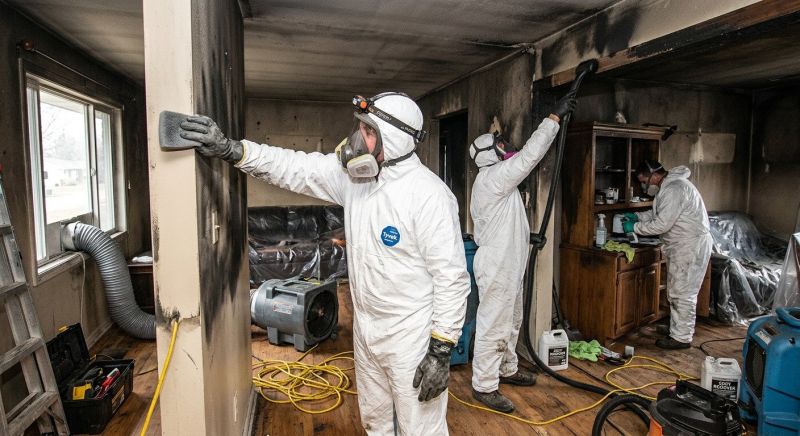
Effective soot cleanup involves specialized techniques to restore surfaces and improve indoor air quality.
Soot Damage Cleanup in Phoenix, AZ
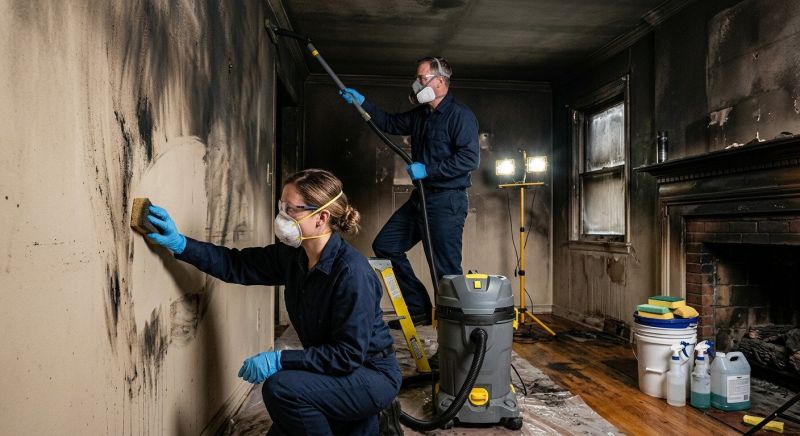
Soot damage cleanup services address the removal of soot residue and stains caused by fires, smoke, or other combustion-related incidents. These services typically cover residential properties affected by household fires, chimney or stove smoke, or accidental soot deposits on walls, ceilings, and other surfaces. Property owners often want to understand the scope of cleaning involved, including whether surfaces will be restored or replaced, and the importance of thorough soot removal to prevent lingering odors, discoloration, or potential health concerns.
Before requesting soot damage cleanup, homeowners should consider the extent of the damage, the types of surfaces affected, and any specific concerns about odors or residue. It is also helpful to understand if the cleaning process includes both surface cleaning and odor mitigation, as well as the potential need for repainting or refinishing certain areas. Clear communication about the project’s scope can ensure proper assessment and effective restoration of the property.
Many property owners in Phoenix, AZ look into Soot Damage Cleanup for repairs, replacements, upgrades, and appearance-related improvements.
Common Soot Damage Cleanup Jobs
Soot Damage Cleanup - Restores indoor air quality and removes stubborn soot residues from surfaces.
Fire and Smoke Damage - Addresses soot deposits caused by residential or commercial fires.
HVAC System Cleaning - Eliminates soot buildup in heating and cooling systems to improve efficiency.
Surface Cleaning - Cleans walls, ceilings, and other surfaces affected by soot and smoke stains.
Odor Removal - Uses specialized techniques to eliminate lingering smoke odors.
Property Restoration - Prepares homes and buildings for safe occupancy after soot damage.
Soot Damage Cleanup Questions
What causes soot damage in homes? Soot damage typically results from smoke from fires, cooking incidents, or electrical issues, leaving residues on surfaces.
How does soot damage affect property? Soot can stain walls, ceilings, and belongings, and may cause unpleasant odors if not properly cleaned.
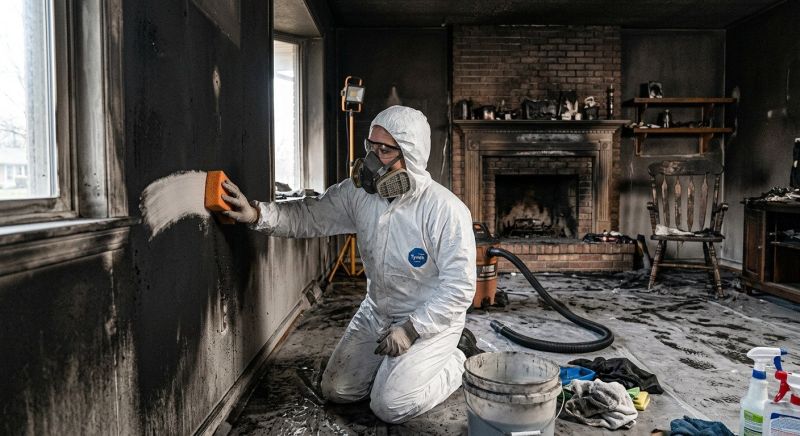
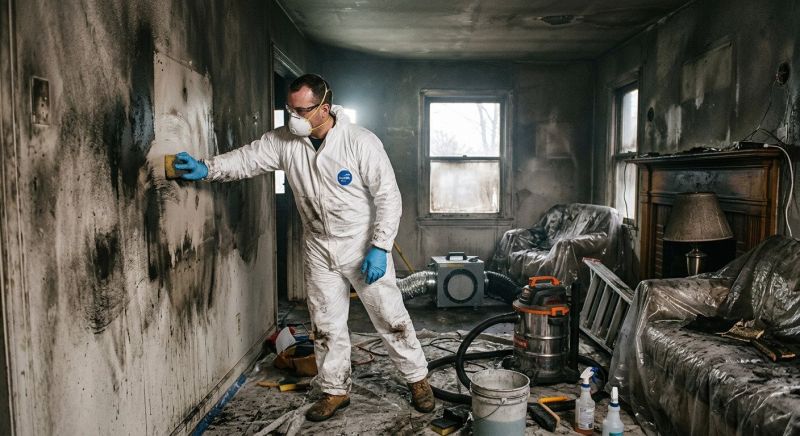
What is involved in soot damage cleanup? Cleanup involves removing soot residues from surfaces, cleaning affected items, and deodorizing the area.
Can soot damage be prevented? Proper fire safety measures and maintenance can reduce the risk of soot buildup and damage.
Request Soot Damage Cleanup in Phoenix, AZ
Use the quote form on this page to share the basics of your project and request more information for the type of work you need.