Residential Fire Restoration in Austin, TX
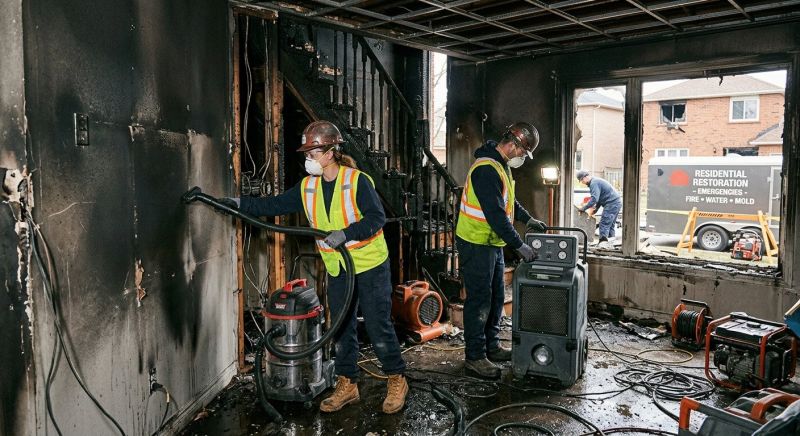
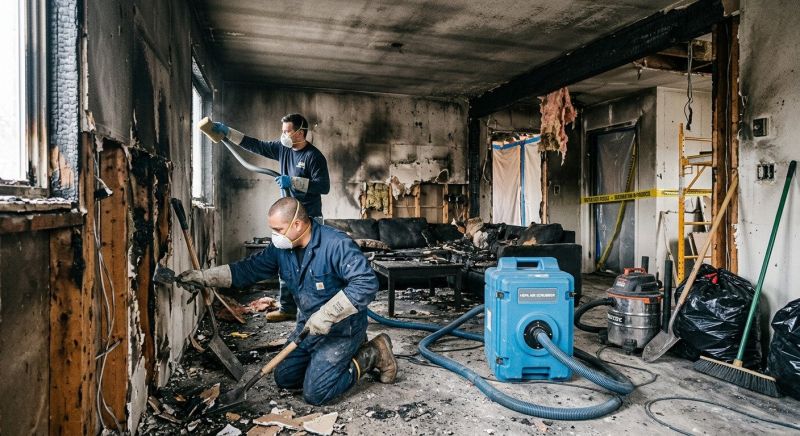
Residential fire restoration services involve the process of repairing and restoring homes damaged by fire incidents. These projects typically include cleaning soot and smoke residue, removing water used to extinguish the fire, and addressing structural damage caused by heat or flames. Property owners often want to understand the scope of work involved, such as whether the service covers both cleaning and rebuilding, and what steps are taken to ensure the home is safe and livable again after a fire. Clarifying the process and expected outcomes can help homeowners make informed decisions during a stressful time.
Before requesting fire restoration services, homeowners usually seek information about the extent of damage, the types of materials that can be restored or need replacement, and the timeline for repairs. It is also common to inquire about the potential for odor removal and the methods used to prevent future issues like mold growth. Understanding what is involved in the restoration process helps property owners prepare for the work and ensures that all necessary repairs are addressed to restore the home’s safety and comfort.
Many property owners in Austin, TX look into Residential Fire Restoration for repairs, replacements, upgrades, and appearance-related improvements.
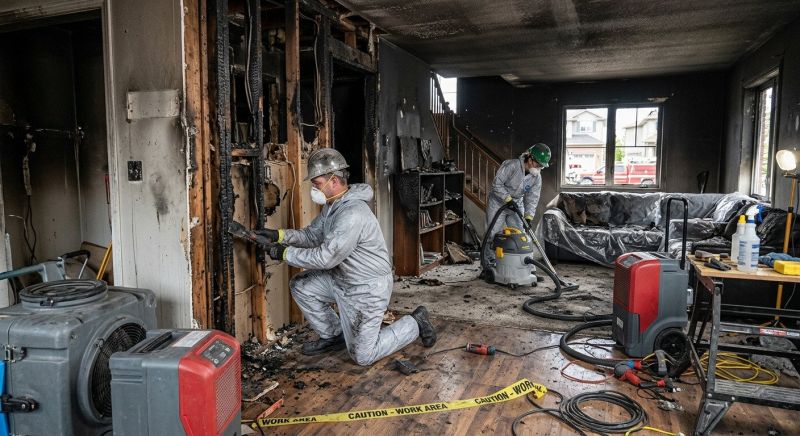
Fire Damage Assessment
Evaluating the extent of smoke, soot, and structural damage in residential properties.
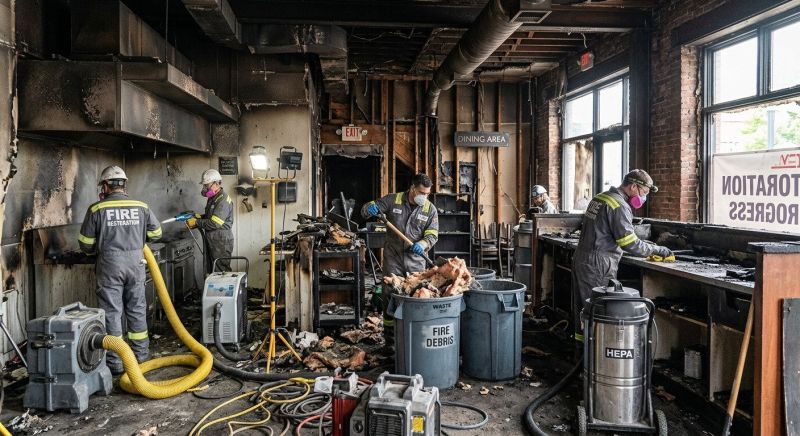
Smoke And Odor Removal
Restoring indoor air quality by eliminating lingering smoke and odors after a fire.
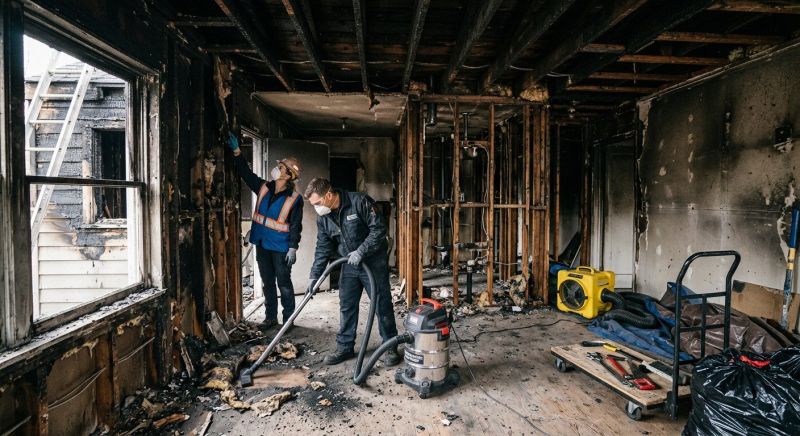
Structural Restoration
Repairing and rebuilding affected areas to restore safety and livability in homes.
Residential Fire Restoration in Austin, TX
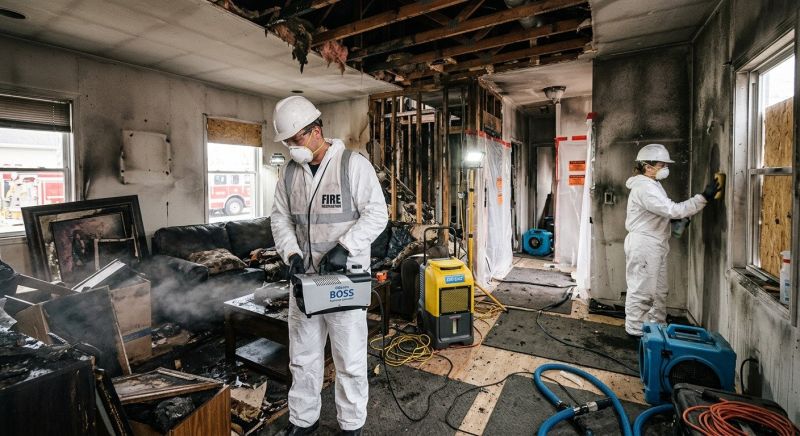
Residential fire restoration services involve the process of repairing and restoring homes damaged by fire incidents. These projects typically include cleaning soot and smoke residue, removing water used to extinguish the fire, and addressing structural damage caused by heat or flames. Property owners often want to understand the scope of work involved, such as whether the service covers both cleaning and rebuilding, and what steps are taken to ensure the home is safe and livable again after a fire. Clarifying the process and expected outcomes can help homeowners make informed decisions during a stressful time.
Before requesting fire restoration services, homeowners usually seek information about the extent of damage, the types of materials that can be restored or need replacement, and the timeline for repairs. It is also common to inquire about the potential for odor removal and the methods used to prevent future issues like mold growth. Understanding what is involved in the restoration process helps property owners prepare for the work and ensures that all necessary repairs are addressed to restore the home’s safety and comfort.
Many property owners in Austin, TX look into Residential Fire Restoration for repairs, replacements, upgrades, and appearance-related improvements.
Common Residential Fire Restoration Jobs
Residential Fire Damage Repair - restores homes affected by fire, including structural and cosmetic repairs.
Smoke and Soot Cleanup - removes smoke residues and odors from walls, ceilings, and belongings.
Water Damage Restoration - addresses water used during firefighting to prevent further damage and mold growth.
Structural Reinforcement - assesses and repairs compromised framing and load-bearing elements.
Content Cleaning and Restoration - restores personal belongings damaged by fire, smoke, or water.
Fire Damage Inspection - evaluates the extent of damage to guide effective restoration efforts.
Residential Fire Restoration Questions
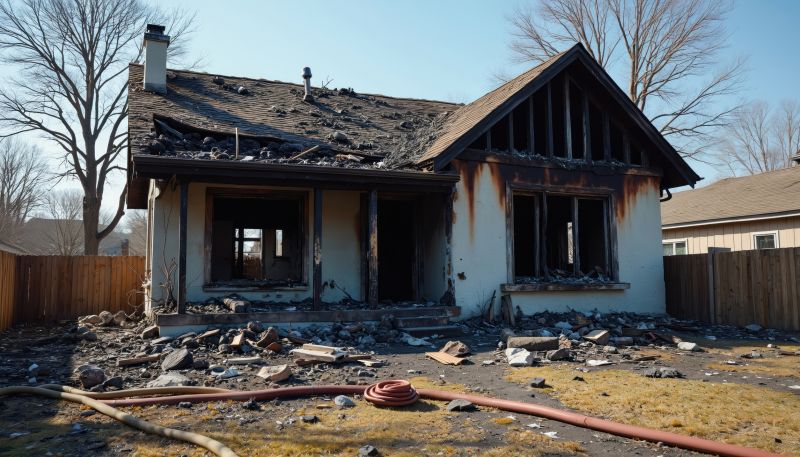
What types of fire damage restoration services are available for homes? Services include cleaning soot and smoke residues, removing debris, and restoring affected areas to pre-fire condition.
How is smoke odor removal handled during fire restoration? Specialized cleaning techniques and equipment are used to eliminate persistent smoke odors from walls, fabrics, and furnishings.
Can fire damage restoration address water damage caused by firefighting efforts? Yes, the process includes drying and dehumidifying to prevent mold growth and further damage from water used during firefighting.
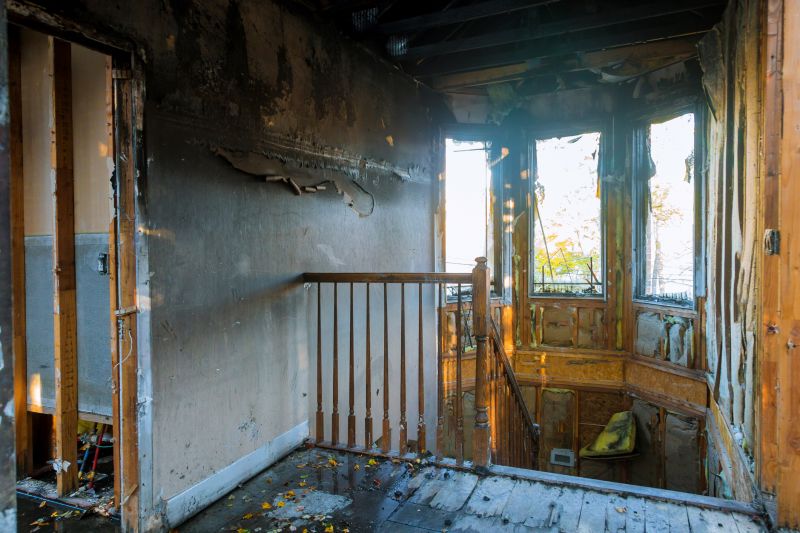
What areas within a home are typically restored after a fire? Restoration often covers walls, ceilings, flooring, HVAC systems, and personal belongings affected by smoke and fire damage.
Request Residential Fire Restoration in Austin, TX
Use the quote form on this page to share the basics of your project and request more information for the type of work you need.